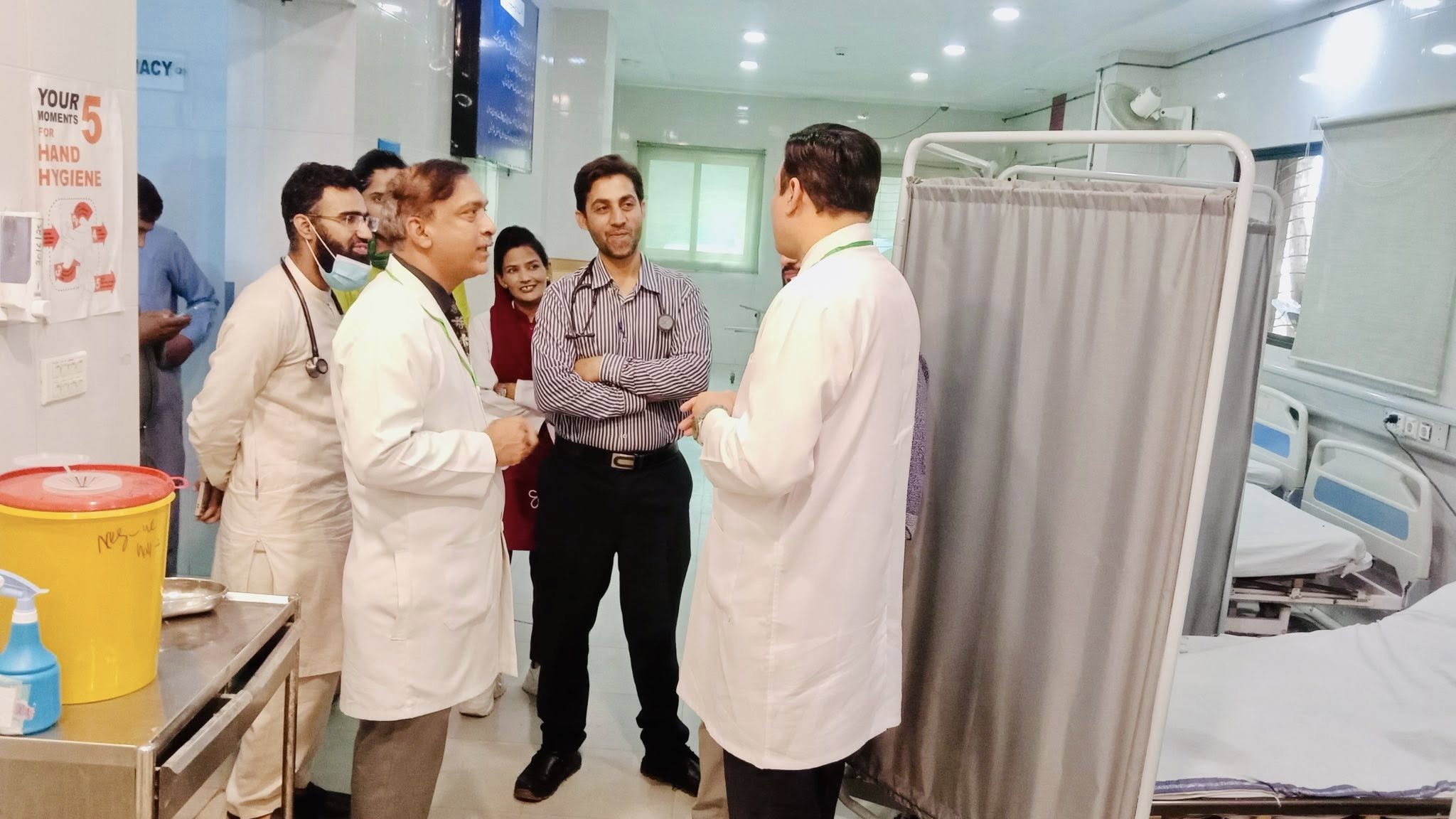
Alhamdulillah Upgradation of Dialysis Centre at Lahore General Hospital Significant advancements have recently been made at the Dialysis Centre of Lahore General Hospital, with the addition of modern medical equipment and essential supplies. These improvements have been made possible through the generous contributions of philanthropic donors. In alignment with the vision of the Honorable Chief Minister Punjab, the Dialysis Centre is currently providing 2,000 to 2,500 dialysis sessions annually,completely free of cost under the Sehat Card program, serving patients from all walks of life.To further improve patient care, safety, and emergency preparedness, the following critical equipment and supplies have been added: • Latest portable ultrasound machines for performing bedside procedures • Cardiac monitors for real-time monitoring of vital signs • Defibrillators for emergency cardiac interventions • BP apparatus for regular blood pressure checks • Crash cart trolleys equipped for emergency response • Weighing machines for precise fluid and weight monitoring • Critical care and emergency dialysis medicines to ensure timely intervention in life-threatening situations • And various other modern tools and devices to enhance service quality and patient safety These developments represent a vital step toward transforming the Dialysis Centre into a state-of-the-art facility, capable of delivering world-class care with compassion and efficiency.Prof. Dr. Farooq Afzal, Principal PGMI/LGH, is personally overseeing the operations and development of the dialysis facility. His visionary leadership and close supervision are playing a key role in ensuring continuous improvement.Prof. Ibad-ur-Rehman, Head of the Dialysis Department, along with his committed team, is also working tirelessly to elevate the standards of care, bringing innovation and excellence to the department. InshaAllah, following the necessary approvals, an expansion plan is also underway. This will include the addition of more dialysis machines and beds, enabling the hospital to accommodate a larger number of patients and meet the growing demand for dialysis services. Regards